Best Apps to Stop Doomscrolling in 2026
Can’t stop opening Instagram, TikTok or YouTube without thinking? We compared the best apps to break doomscrolling, block distractions and reduce screen time.

The best app is not always the strictest one. It is the one that interrupts the exact moment when scrolling becomes automatic.
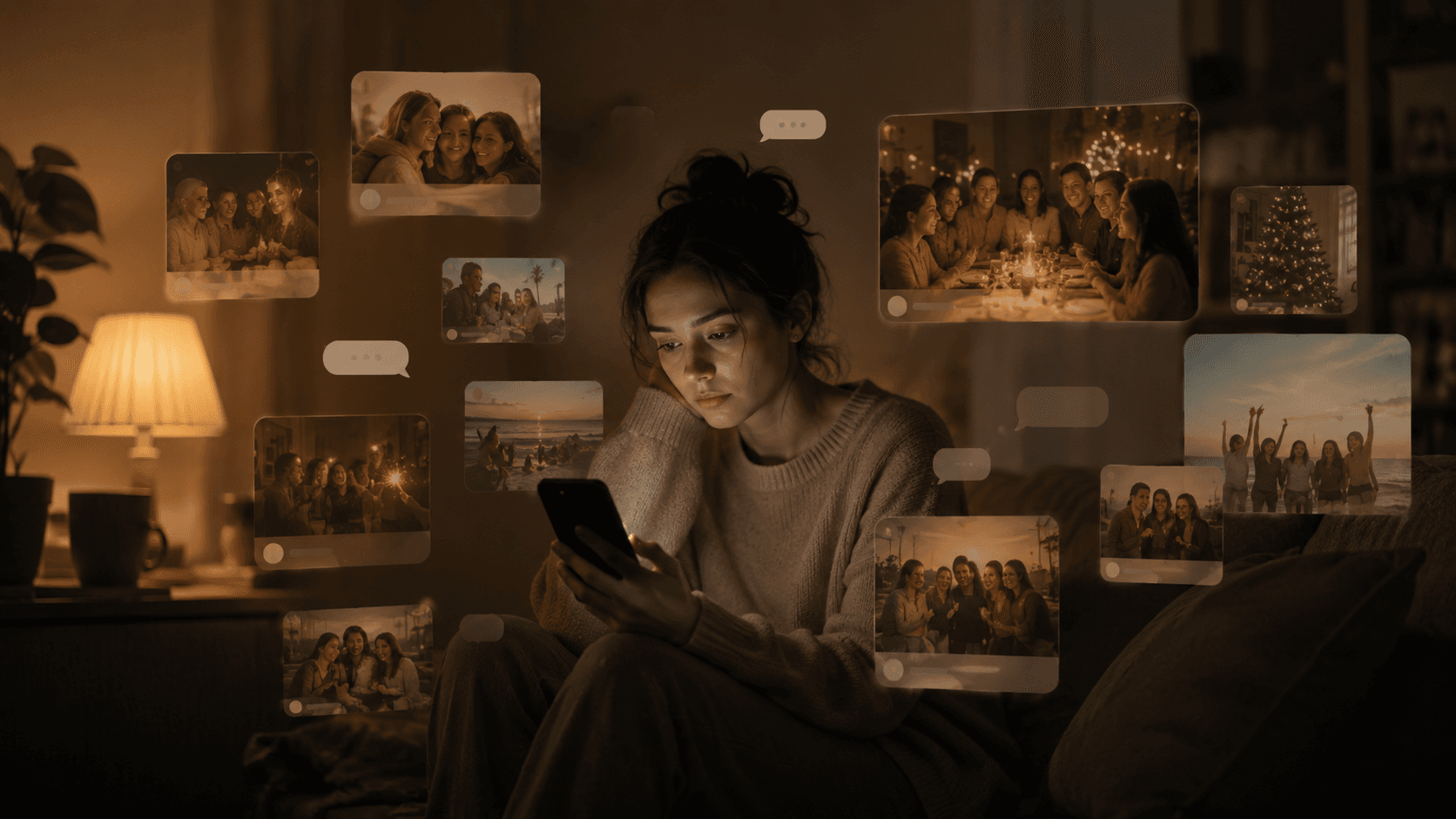
You open Instagram to check one message. Then you watch a Reel. Then another. A few minutes later, you are still scrolling even though you are not particularly enjoying it.
That is what makes doomscrolling difficult to change. The problem often starts before you consciously decide to spend time on the app.
Different tools solve that problem in different ways. Some add a pause before an app opens. Some block apps completely. Others use schedules, limits or small challenges to make extra scrolling less automatic.
Here are some of the strongest options to consider in 2026.
Quick answer
If your main problem is opening social apps without thinking, choose an app that adds friction before access.
If you keep ignoring ordinary screen-time warnings, use something with stronger blocks or a requirement before extra time.
If doomscrolling happens at predictable times such as bedtime or during work, scheduled blocking is usually more useful.
And if distraction follows you from your phone to your laptop, a cross-device blocker may be the better fit.
1. FreeInFive
FreeInFive is designed around making the moment of choice visible.
Instead of using one universal limit, it gives you different levels of friction depending on how much help you want.
Soft Block adds a pause when you reach a chosen limit.
Hard Block creates a stronger boundary when you do not want to keep overriding yourself.
You can also create schedules for periods such as work, meals or bedtime, or use a quick block when you need to shut distractions off immediately.
The most distinctive part is Earn Scroll. Instead of simply tapping through another warning, you can require a small challenge before receiving extra scroll time.
That makes FreeInFive especially useful if your problem is not setting limits, but repeatedly ignoring them.
It is available on both iOS and Android.
2. one sec
one sec focuses heavily on the moment before a distracting app opens.
Instead of taking you straight into the feed, it creates a short interruption first.
That delay may sound small, but it targets one of the most common doomscrolling patterns: opening an app almost automatically.
The goal is not necessarily to stop you from using social media. It is to give you a second to notice what you are doing before the feed takes over.
one sec is a good option if you frequently find yourself inside an app without remembering why you opened it.
3. ScreenZen
ScreenZen also uses friction, delays and usage rules to reduce automatic checking.
It can be useful if you want more flexibility than a basic daily timer but do not want every distracting app completely blocked.
You can create boundaries around how often an app opens, how long a session lasts and what happens before access is allowed.
This makes it particularly useful for people whose doomscrolling happens through lots of short checks throughout the day rather than one long session.
4. Opal
Opal is more focused on structured periods of focus.
It works well for people who want stronger boundaries during work, study or other parts of the day where distraction becomes expensive.
Instead of only interrupting one app open, the emphasis is on creating larger periods where distracting apps are unavailable or harder to access.
That can be more useful if the problem is something like:
“I check social media for five minutes while working, and suddenly I have lost half an hour.”
If you want a more structured focus system rather than just a momentary pause, Opal may suit you better.
5. AppBlock
AppBlock is another option for people who prefer firmer rules.
Its strength is in creating structured blocking routines around distracting apps and websites.
That matters because doomscrolling is often predictable.
Maybe it starts every night after you get into bed.
Maybe TikTok becomes a problem during lunch.
Maybe Instagram takes over whenever work becomes uncomfortable.
When the pattern happens at roughly the same time every day, automatically blocking access can work better than waiting until you remember to use willpower.
6. Freedom
Freedom is useful when distraction is not limited to your phone.
You might successfully block Instagram on mobile and then immediately move to Reddit, YouTube or another distracting site on your laptop.
Freedom is built around blocking distractions across multiple devices.
That makes it particularly valuable for people who move between a phone, tablet and computer throughout the day.
It is less focused on the emotional moment before social scrolling and more focused on creating distraction-free periods across your digital environment.
7. Forest
Forest takes a very different approach.
Instead of placing friction directly in front of social apps, it uses a focus timer and a simple visual reward.
You start a focus session and grow a virtual tree while you stay away from your phone.
That can work well for people who respond positively to gamification, visible progress and having a clear focus period.
It is less suited to someone who needs strict control over one particular app, but it can help if the broader goal is simply to spend a defined period away from the phone.
Which app should you choose?
Start with the pattern, not the product.
If you open apps automatically, use a pause.
If you repeatedly override limits, use a stronger block.
If scrolling happens at the same time every day, automate the boundary with a schedule.
If distraction moves across devices, use a cross-device solution.
And if warnings have become meaningless because you dismiss them instantly, use a system that requires something more deliberate before continuing.
The useful question is not:
“Which doomscrolling app has the most features?”
It is:
“What exactly happens right before I lose control of the scroll?”
That tells you what kind of intervention you actually need.
Where FreeInFive fits
FreeInFive is designed for people who want more than a passive screen-time warning but do not want every social app permanently locked away.
You can use a softer interruption when awareness is enough, a hard block when you need a firmer boundary, scheduled blocks for predictable problem periods and Earn Scroll when extra time should require a conscious action first.
The goal is not to make using your phone difficult for the sake of it.
It is to make the next few minutes feel like a decision again.